


Hawai‘i NIL Bill SB 3263: Where Things Stand After Latest Legislative Movement

Hawai‘i’s debated Name, Image, and Likeness (NIL) bill — SB 3263 — has reached its most advanced stage yet, with lawmakers moving closer to establishing a formal NIL framework for University of Hawai‘i student-athletes.
After months of amendments across both chambers, the bill has now advanced as Conference Draft 1 (CD1), signaling that the House and Senate have reached a negotiated agreement on the final version.
What Passed on Friday (CD1 Explained)
The version that moved forward Friday is the conference committee draft, which is typically the final step before a bill is sent to the Governor.
At this stage:
- Both the House and Senate must vote to adopt the conference committee report (CCR)
- No further amendments are allowed
- If adopted, the bill is enrolled and sent to the Governor for signature or veto
In short: SB 3263 is essentially at the finish line.

Screenshot of House & Senate conference on Friday, May 1 streamed on the Senate YouTube Channel
From Concept to CD1: How the Bill Evolved
SB 3263 didn’t follow a straight path to this point.
Throughout the session, two different approaches to NIL emerged at the Legislature.
On the House side, HB 2384 emphasized building a broad NIL framework while proposing $5 million in more immediate funding to help the University of Hawai‘i stay competitive in a rapidly changing landscape.
The Senate’s version of SB 3263 took a different approach — focusing on a structured system built around an endowment, with detailed reporting requirements and long-term financial planning.
By the time the bill reached conference committee, the goal was no longer choosing one approach over the other. It was finding a way to combine them.
The result is CD1, a hybrid model that blends immediate support with a longer-term funding strategy.
The Headline Number — and the Reality Behind It
At the center of the bill is what’s been widely described as a $10 million NIL fund for UH athletics.
But that number needs context.
The endowment is built from three primary sources:
- $4 million transferred from UH tuition and fees special funds
- $2.5 million appropriated by the State
- $5 million in private matching funds to be raised
On paper, that totals $10 million. In practice, it operates very differently from a traditional spending pool.
What UH Can Actually Use Right Away
The most immediate funding comes from the state appropriation — but even that is partially restricted.
Of the $2.5 million from the State:
- $1 million must remain in the endowment as protected principal
- The remaining $1.5 million is not locked in the same way
That $1.5 million becomes the primary pool UH can use in the short term for NIL-related support.
This is a key distinction. While the bill is often framed around a $10 million figure, UH’s immediate flexibility is much closer to that $1.5 million number.
The Rest Is Built for the Long Term
The remaining funds — including the $4 million from UH and the anticipated $5 million in private contributions — are intended to build the core of the endowment.
Those dollars are not meant to be spent outright. Instead, they function as a long-term financial base.
The bill sets a threshold before UH can begin tapping into the fund more broadly:
- Once the endowment reaches at least $7.5 million
- And maintains that level for three consecutive years
UH can begin using investment earnings, rather than the principal itself, to support NIL compensation and related benefits.
This structure is designed to prevent the fund from being depleted quickly, while creating a more sustainable model over time.

The Bottom Line
SB 3263 has come a long way — not because it started as a simple NIL permission bill, but because the final version reflects a merging of two very different approaches from earlier in the session.
The House-side version, through HB 2384, focused more heavily on creating a broad NIL framework while giving UH $5 million in more immediate funding to help compete in the new athlete compensation landscape.
The Senate’s original SB 3263, meanwhile, leaned more toward a long-term endowment model, with detailed reporting requirements, transparency measures, and a more structured approach to how NIL activity would be tracked and administered.
The CD1 version now appears to blend both philosophies.
It gives UH some short-term flexibility — most notably the roughly $1.5 million that can be used sooner — while still building toward a protected NIL endowment intended to support athlete compensation over time.
So while the $10 million figure is the headline, the real story is how lawmakers settled on a compromise: not a fully immediate spending pool, and not only a long-term endowment, but a hybrid model designed to help UH now while attempting to create something sustainable for the future.
If the final votes go through, Hawai‘i will officially enter a new era of college athletics — with UH positioned to directly support student-athletes in a way the program has never done before.
Beyond the Funding: What Else CD1 Does
While the financial structure is the centerpiece, CD1 also formalizes how NIL activity will operate at UH.
The bill allows the university to enter into institutional NIL agreements, meaning UH can directly compensate student-athletes — a significant shift from past models that relied heavily on third-party deals.
It also requires athletes to disclose NIL agreements valued at $600 or more, giving the university visibility for compliance purposes.
At the same time, athletes are not required to hire agents or professional representation. They may choose to do so, but can also manage their own deals or work with trusted advisors.
The bill includes additional protections, including a 10-day window to rescind contracts, and requires UH to provide education on financial literacy, contracts, and taxes.
Because public funds are involved, it also mandates annual reporting to the Legislature and requires NIL activity to be administered in a manner consistent with Title IX.
What Happens Next
With CD1 approved in conference committee Friday, the process now moves to final votes in both chambers.
If the House and Senate adopt the conference committee report, SB 3263 will be sent to the Governor, who can sign it into law, veto it, or allow it to become law without a signature.

Hawai‘i Earns First Big West Win with Gritty 1–0 Victory Over Cal Poly
Hawai‘i Earns First Big West Win with Gritty 1–0 Victory Over Cal Poly BY HSRN STAFFPUBLISHED OCTOBER 10, 2025The University of Hawai‘i Rainbow Wahine earned a hard-fought 1–0 win over Cal Poly Thursday night at Waipi‘o Peninsula Soccer Stadium,...
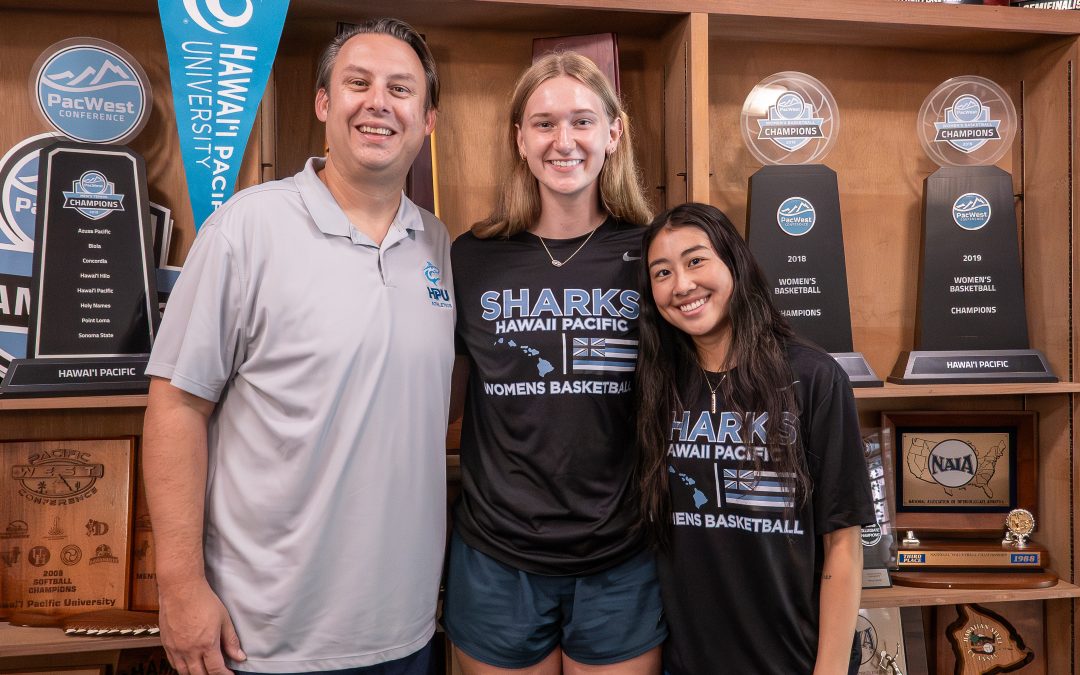
Sharks Weekly: Fresh Faces, Familiar Heart — A New Chapter for HPU Women’s Basketball
Sharks Weekly: Fresh Faces, Familiar Heart — A New Chapter for HPU Women’s Basketball HSRN STAFF | HONOLULUPUBLISHED OCTOBER 9, 2025A new season of Hawai‘i Pacific University women’s basketball is on the horizon, and with it comes a wave of new...
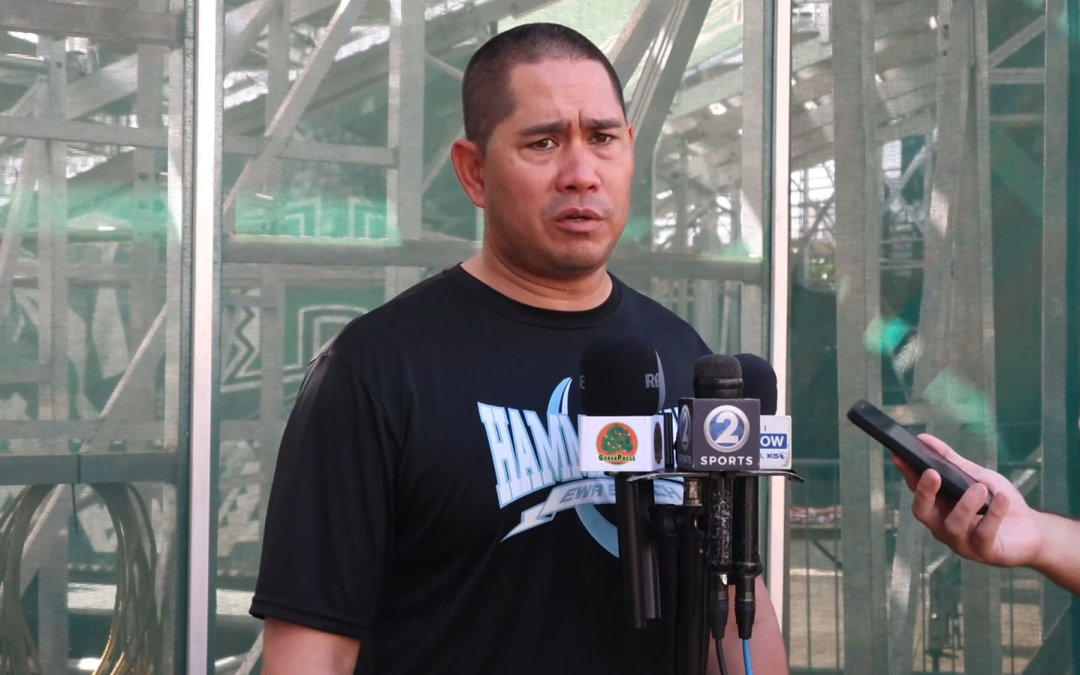
Chang Stresses Execution in All Three Phases Ahead of Utah State Matchup
Timmy Chang Stresses Execution in All Three Phases Ahead of Utah State Matchup BY HSRN STAFFPUBLISHED OCTOBER 8, 2025Following a productive bye week, University of Hawai‘i head football coach Timmy Chang spoke with local media about his team’s...
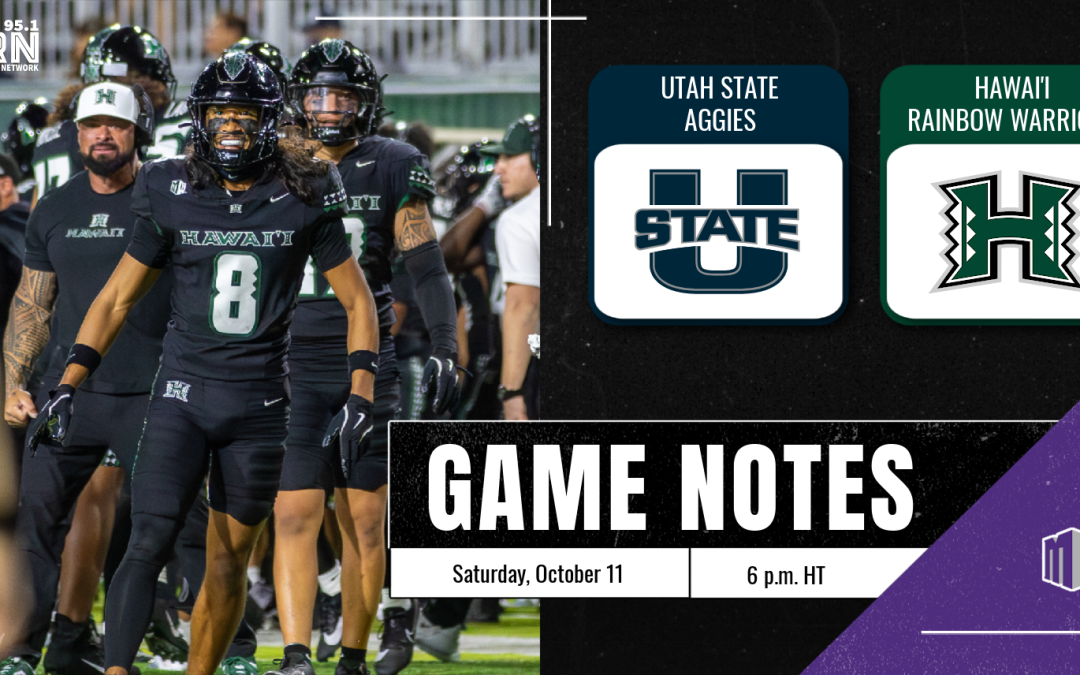
Rainbow Warriors Host Utah State in Final Mountain West Meeting
Rainbow Warriors Host Utah State in Final Mountain West Meeting BY HSRN STAFFPUBLISHED OCTOBER 7, 2025The Hawai‘i Rainbow Warriors (4–2, 1–1 MW) return home to face the Utah State Aggies (3–2, 1–0 MW) this Saturday in a pivotal Mountain West clash...
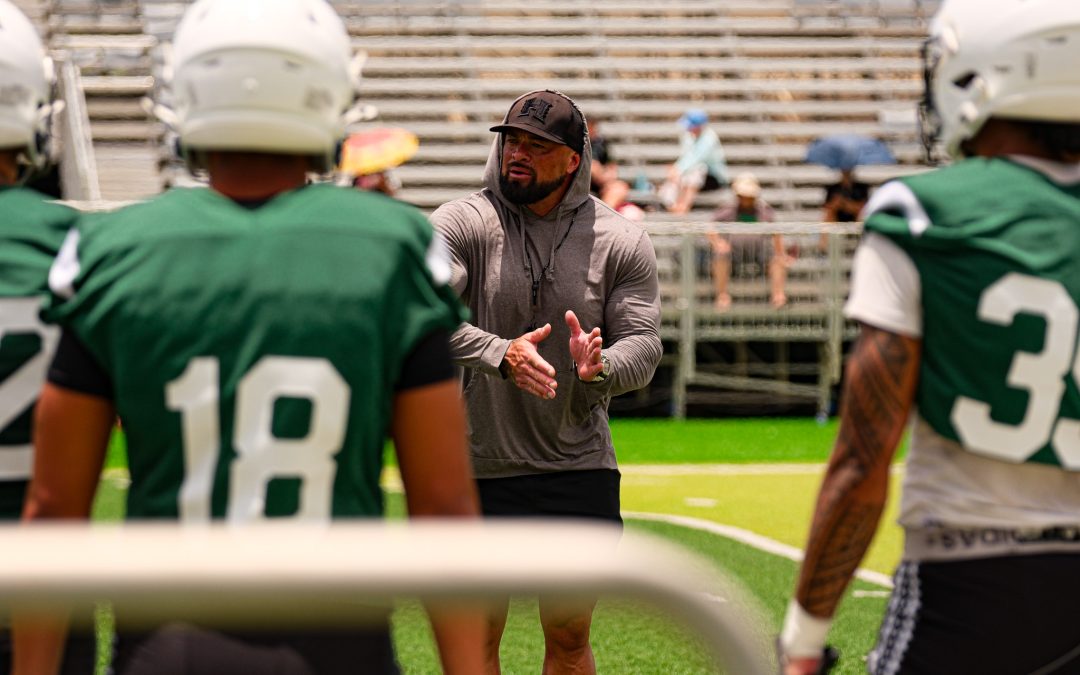
Chris Brown on Brotherhood, Discipline, and Hawai‘i’s Defensive Identity
Chris Brown on Brotherhood, Discipline, and Hawai‘i’s Defensive Identity BY KU'ULEI AGBAYANIPUBLISHED OCTOBER 5, 2025 | HONOLULULISTEN HERE:Coming off a statement win at Air Force and heading into a much-needed bye week, Hawai‘i Football Associate...
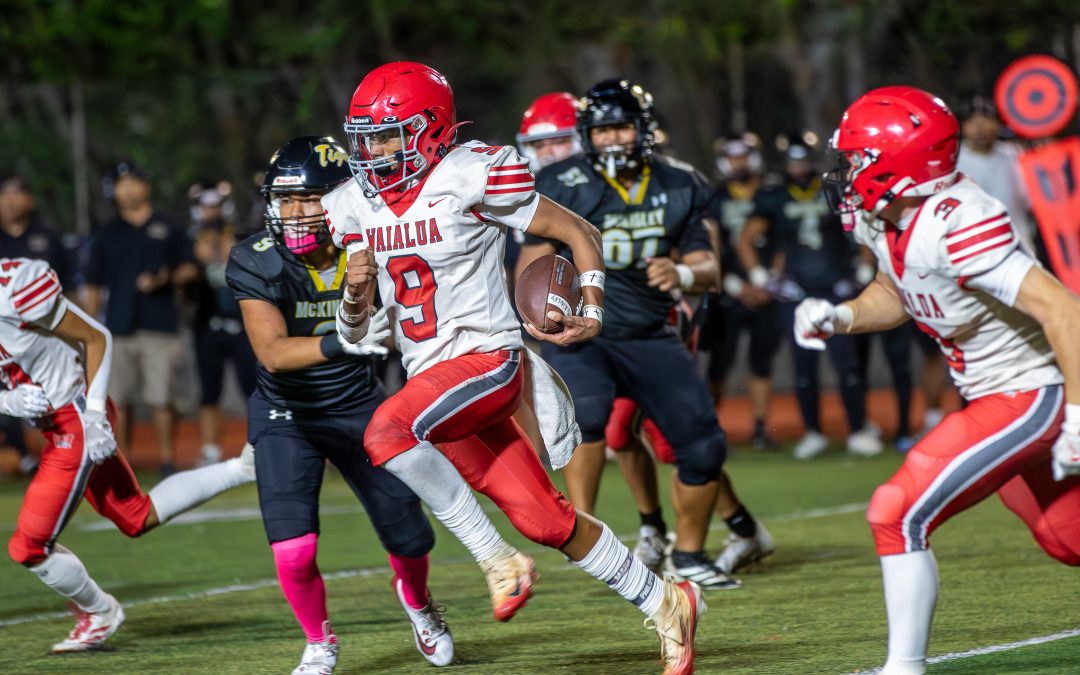
Waialua pulls away from McKinley to keep playoff hopes alive, 33-14
Waialua pulls away from McKinley to keep playoff hopes alive, 33-14 BY MICHAEL LASQUERO | HSRNPUBLISHED OCTOBER 5, 2025HONOLULU — It wasn’t a pretty win, but the Waialua football team will take it. The Bulldogs built a 26-0 lead through three...

HPU dives into more community service with Shark Splash Weekend
HPU dives into more community service with Shark Splash Weekend BY PAUL BRECHT | HONOLULUPUBLISHED OCTOBER 5, 2025HONOLULU – What’s the point of a platform if you can’t give back? Entering September’s final weekend, the Hawai’i Pacific University...

2025 OIA Football: October Schedule
2025 OIA Football: October Schedule BY HSRN STAFFPUBLISHED OCTOBER 4, 2025As league play heats up, the race across all OIA divisions is taking shape. In the Open Division, Mililani (2-0 league, 5-1 overall) and Kahuku (2-0, 4-3) remain unbeaten...
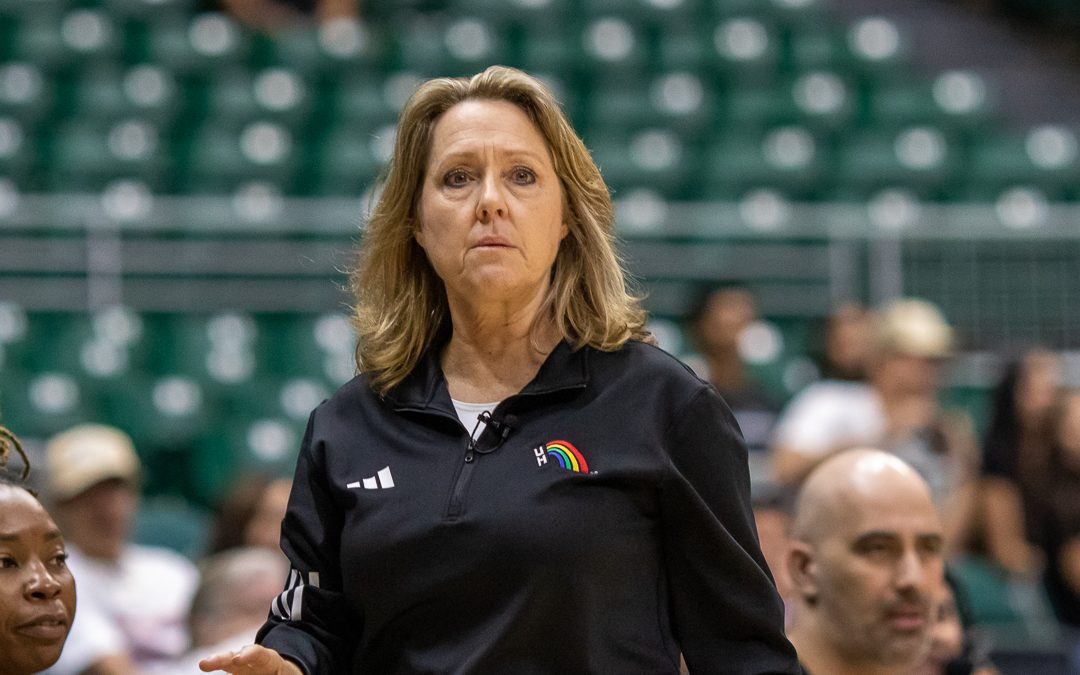
Beeman Prepares New-Look Rainbow Wahine for 2025–26 Season
Beeman Prepares New-Look Rainbow Wahine for 2025–26 Season BY KU'ULEI AGBAYANI PUBLISHED OCTOBER 4, 2025 | HONOLULUAs she enters her 14th season at the helm of the University of Hawai‘i women’s basketball program, Head Coach Laura Beeman is...
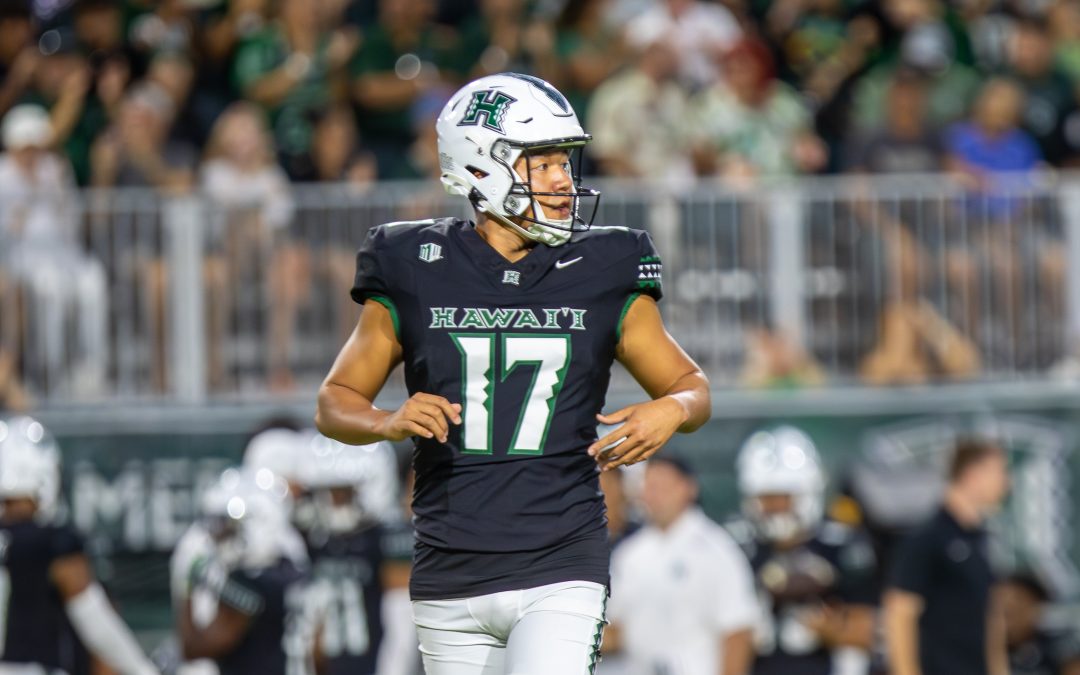
“Tokyo Toe”: How Kansei Matsuzawa Became the Heart of Hawai‘i’s Special Teams
“Tokyo Toe”: How Kansei Matsuzawa Became the Heart of Hawai‘i’s Special Teams BY HSRN STAFFPUBLISHED OCTOBER 4, 2025It began like most recruiting stories — a coach scrolling through profiles, scanning highlight clips, and looking for the next...