


Hawai‘i NIL Bill SB 3263: Where Things Stand After Latest Legislative Movement

Hawai‘i’s debated Name, Image, and Likeness (NIL) bill — SB 3263 — has reached its most advanced stage yet, with lawmakers moving closer to establishing a formal NIL framework for University of Hawai‘i student-athletes.
After months of amendments across both chambers, the bill has now advanced as Conference Draft 1 (CD1), signaling that the House and Senate have reached a negotiated agreement on the final version.
What Passed on Friday (CD1 Explained)
The version that moved forward Friday is the conference committee draft, which is typically the final step before a bill is sent to the Governor.
At this stage:
- Both the House and Senate must vote to adopt the conference committee report (CCR)
- No further amendments are allowed
- If adopted, the bill is enrolled and sent to the Governor for signature or veto
In short: SB 3263 is essentially at the finish line.

Screenshot of House & Senate conference on Friday, May 1 streamed on the Senate YouTube Channel
From Concept to CD1: How the Bill Evolved
SB 3263 didn’t follow a straight path to this point.
Throughout the session, two different approaches to NIL emerged at the Legislature.
On the House side, HB 2384 emphasized building a broad NIL framework while proposing $5 million in more immediate funding to help the University of Hawai‘i stay competitive in a rapidly changing landscape.
The Senate’s version of SB 3263 took a different approach — focusing on a structured system built around an endowment, with detailed reporting requirements and long-term financial planning.
By the time the bill reached conference committee, the goal was no longer choosing one approach over the other. It was finding a way to combine them.
The result is CD1, a hybrid model that blends immediate support with a longer-term funding strategy.
The Headline Number — and the Reality Behind It
At the center of the bill is what’s been widely described as a $10 million NIL fund for UH athletics.
But that number needs context.
The endowment is built from three primary sources:
- $4 million transferred from UH tuition and fees special funds
- $2.5 million appropriated by the State
- $5 million in private matching funds to be raised
On paper, that totals $10 million. In practice, it operates very differently from a traditional spending pool.
What UH Can Actually Use Right Away
The most immediate funding comes from the state appropriation — but even that is partially restricted.
Of the $2.5 million from the State:
- $1 million must remain in the endowment as protected principal
- The remaining $1.5 million is not locked in the same way
That $1.5 million becomes the primary pool UH can use in the short term for NIL-related support.
This is a key distinction. While the bill is often framed around a $10 million figure, UH’s immediate flexibility is much closer to that $1.5 million number.
The Rest Is Built for the Long Term
The remaining funds — including the $4 million from UH and the anticipated $5 million in private contributions — are intended to build the core of the endowment.
Those dollars are not meant to be spent outright. Instead, they function as a long-term financial base.
The bill sets a threshold before UH can begin tapping into the fund more broadly:
- Once the endowment reaches at least $7.5 million
- And maintains that level for three consecutive years
UH can begin using investment earnings, rather than the principal itself, to support NIL compensation and related benefits.
This structure is designed to prevent the fund from being depleted quickly, while creating a more sustainable model over time.

The Bottom Line
SB 3263 has come a long way — not because it started as a simple NIL permission bill, but because the final version reflects a merging of two very different approaches from earlier in the session.
The House-side version, through HB 2384, focused more heavily on creating a broad NIL framework while giving UH $5 million in more immediate funding to help compete in the new athlete compensation landscape.
The Senate’s original SB 3263, meanwhile, leaned more toward a long-term endowment model, with detailed reporting requirements, transparency measures, and a more structured approach to how NIL activity would be tracked and administered.
The CD1 version now appears to blend both philosophies.
It gives UH some short-term flexibility — most notably the roughly $1.5 million that can be used sooner — while still building toward a protected NIL endowment intended to support athlete compensation over time.
So while the $10 million figure is the headline, the real story is how lawmakers settled on a compromise: not a fully immediate spending pool, and not only a long-term endowment, but a hybrid model designed to help UH now while attempting to create something sustainable for the future.
If the final votes go through, Hawai‘i will officially enter a new era of college athletics — with UH positioned to directly support student-athletes in a way the program has never done before.
Beyond the Funding: What Else CD1 Does
While the financial structure is the centerpiece, CD1 also formalizes how NIL activity will operate at UH.
The bill allows the university to enter into institutional NIL agreements, meaning UH can directly compensate student-athletes — a significant shift from past models that relied heavily on third-party deals.
It also requires athletes to disclose NIL agreements valued at $600 or more, giving the university visibility for compliance purposes.
At the same time, athletes are not required to hire agents or professional representation. They may choose to do so, but can also manage their own deals or work with trusted advisors.
The bill includes additional protections, including a 10-day window to rescind contracts, and requires UH to provide education on financial literacy, contracts, and taxes.
Because public funds are involved, it also mandates annual reporting to the Legislature and requires NIL activity to be administered in a manner consistent with Title IX.
What Happens Next
With CD1 approved in conference committee Friday, the process now moves to final votes in both chambers.
If the House and Senate adopt the conference committee report, SB 3263 will be sent to the Governor, who can sign it into law, veto it, or allow it to become law without a signature.

Notes & Quotes: Holloway Expects “The Most Dangerous Conor McGregor” at UFC 329
LAS VEGAS — More than 12 years after they first shared the Octagon, Hawaiʻi's Max Holloway and former two-division UFC champion Conor McGregor are set to meet again in the main event of UFC 329 this Saturday night in Las Vegas. The two first met in...
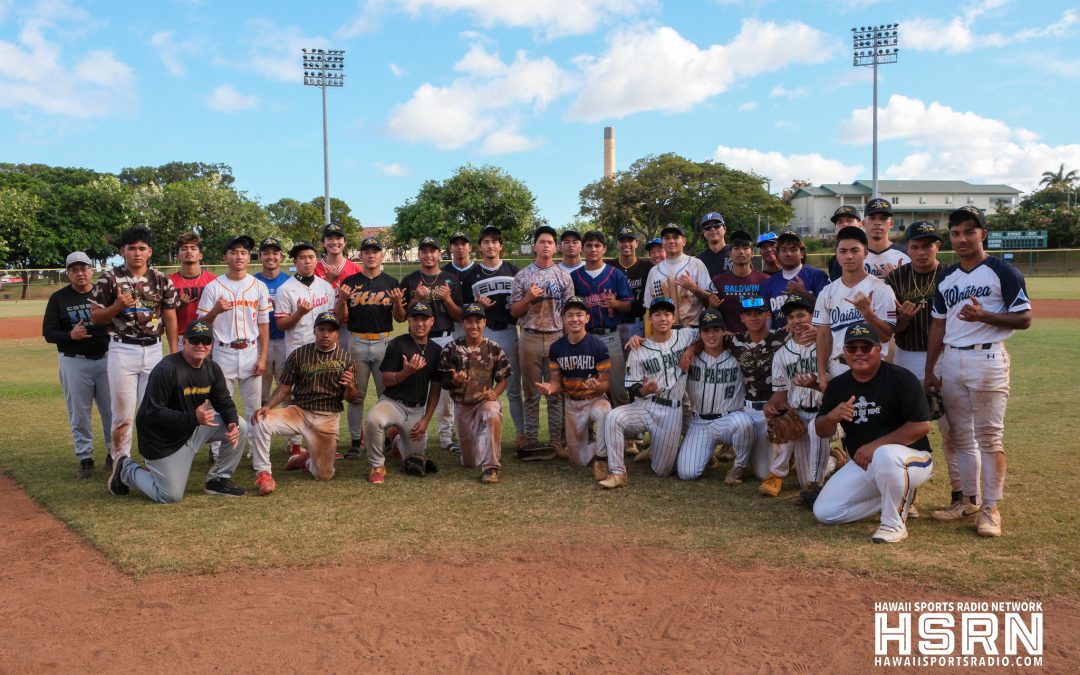
Hawaiian Stars rally over Aloha Stars in 6th annual Chace Numata Senior All-Star Classic
Coverage of the 6th Annual Chace Numata Senior All-Star Classic on HSRN is presented by SportStan Sporting Goods.At SportStan it's not just sporting goods, it's a way of life.WAIPAHU – It’s Fourth of July weekend; the fireworks were...
Rising Defensive Prospect Davian Whitener Commits to Hawaii
Davian Whitener spent months weighing one of the biggest decisions of his football career. When the process finally came to an end, the feeling was a mix of excitement and relief. The Class of 2027 prospect from Desert Mountain High School has...
Former Hawaii star Isaac “Big Fish” Johnson to play in NBA Summer League
Big Fish is getting the call to the big leagues. Well, the NBA’s Summer League, at least. Former University of Hawai’i standout and Big West 1st-team center Isaac Johnson will play for the Philadelphia 76ers in the 2026 NBA Summer League in Las...
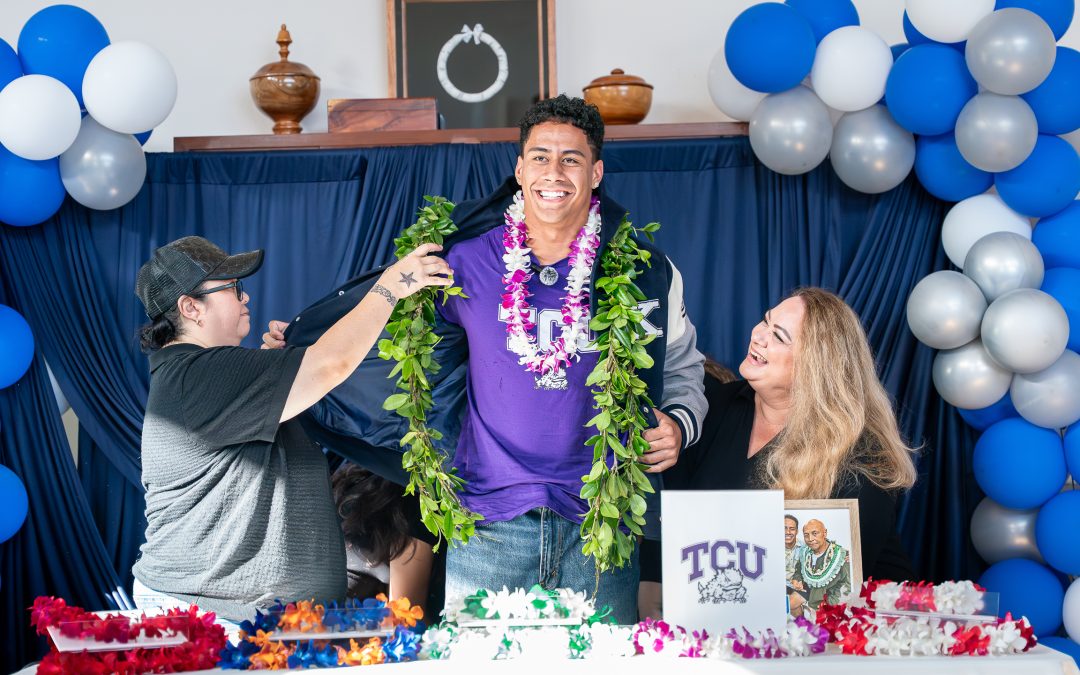
Kamehameha linebacker Linkin Apana commits to TCU Football
PEARL CITY — No matter the obstacle — a season-ending injury, a position switch or the uncertainty that can come with recruiting — Linkin Apana kept moving forward. Last Friday, surrounded by over 50 family members and friends gathered at his...

Ruiz rises to associate head coach role ahead of second season at Hawai’i Pacific
HONOLULU – Success always brings swings of change. Following the program’s third-ever NCAA Tournament appearance in 2025-26, the Hawaii Pacific University men’s basketball program saw a plethora of changes throughout the offseason. The Sharks...
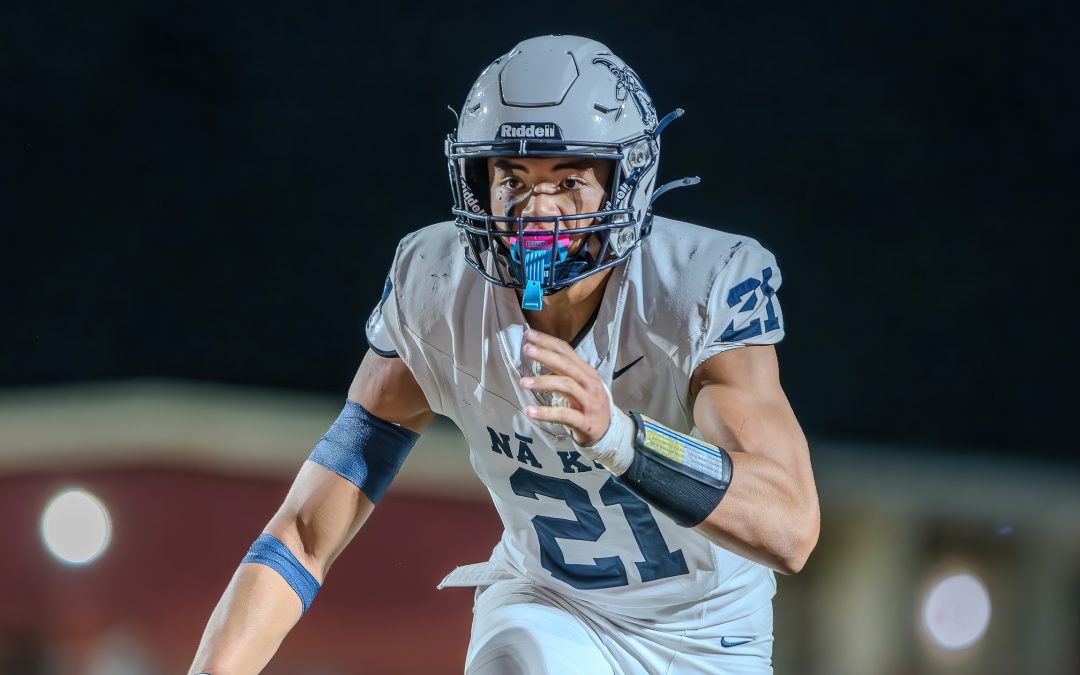
Kamehameha linebacker Evan Cazimero commits to Colorado State
From backup to breakout star, Kamehameha linebacker Evan Duke Cazimero is ready for the next level. Cazimero announced his commitment to Colorado State University on June 11, ending a recruiting process that took the rising junior from backup...
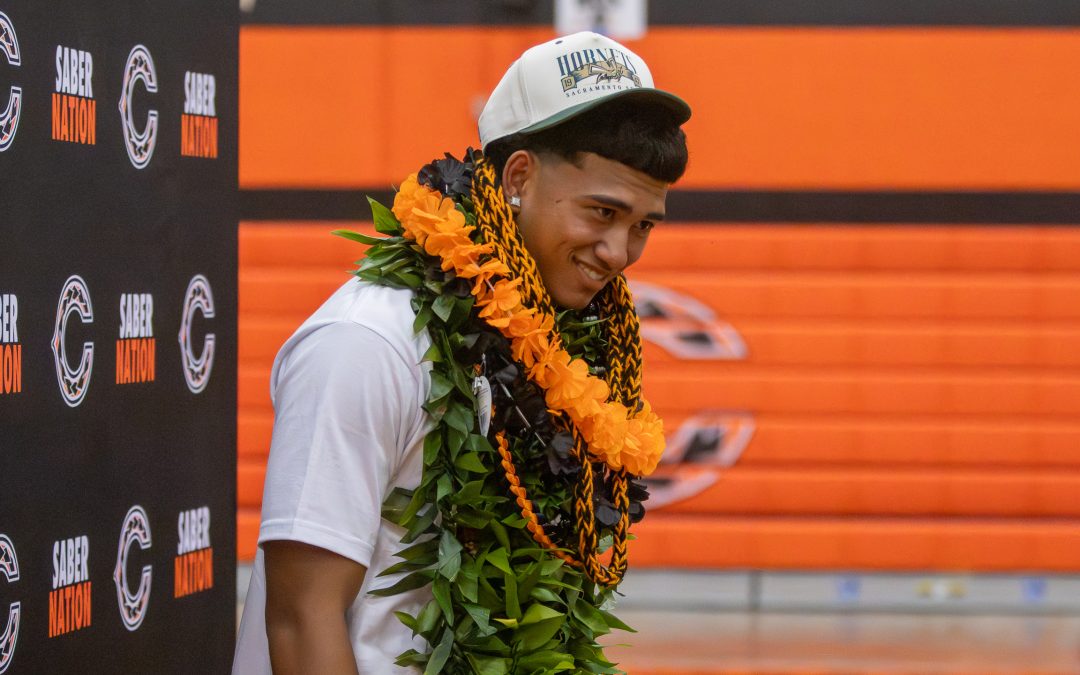
Campbell defensive back Isaiah Chong commits to Sacramento State
EWA BEACH — Campbell defensive back Isaiah Chong announced his commitment to Sacramento State on Monday, choosing the Hornets over four other finalists and reaffirming a pledge he had previously withdrawn following a coaching change. Chong, a...
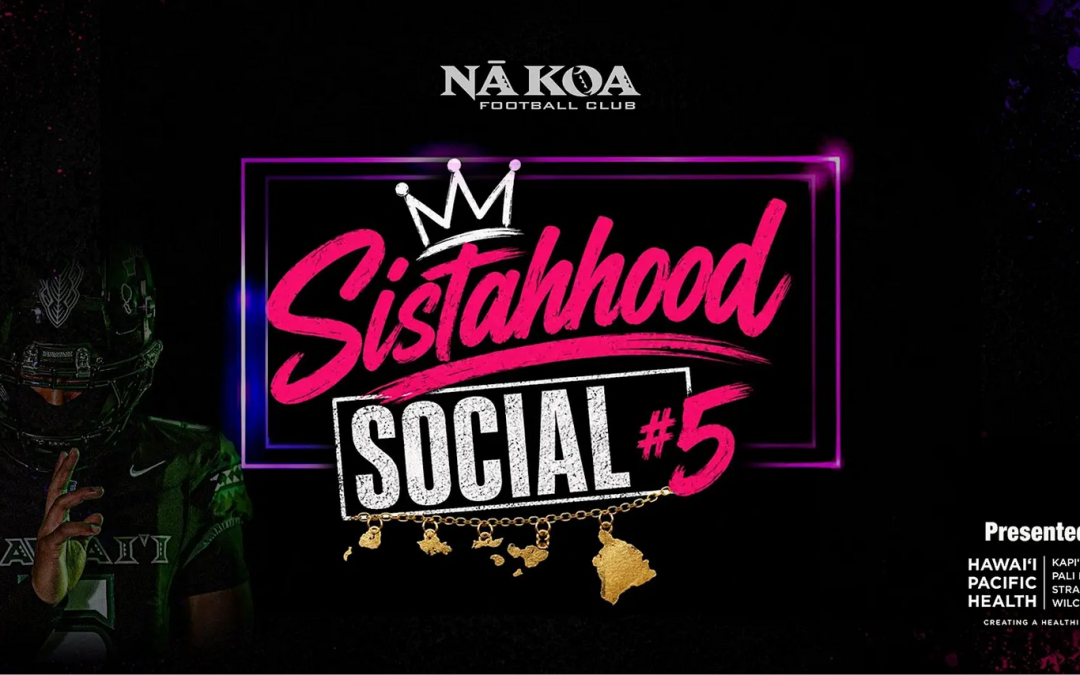
Sistahhood Social 5: Straight Outta Sistahhood – 90’s Edition
The Nā Koa Football Club announces the return of one of its most popular events with the fifth annual Sistahhood Social. This year's theme is “Straight Outta Sistahhood – 90’s Edition.” Hosted by University of Hawaii football head coach Timmy Chang...

UH Athletics Receives $5 Million NIL Commitment; Leaders Call on Community to Join Effort
HONOLULU — University of Hawaiʻi Athletics received a major boost Wednesday as five prominent Hawaiʻi donors and organizations announced a combined $5 million commitment over the next five years to support student-athlete Name, Image and Likeness...