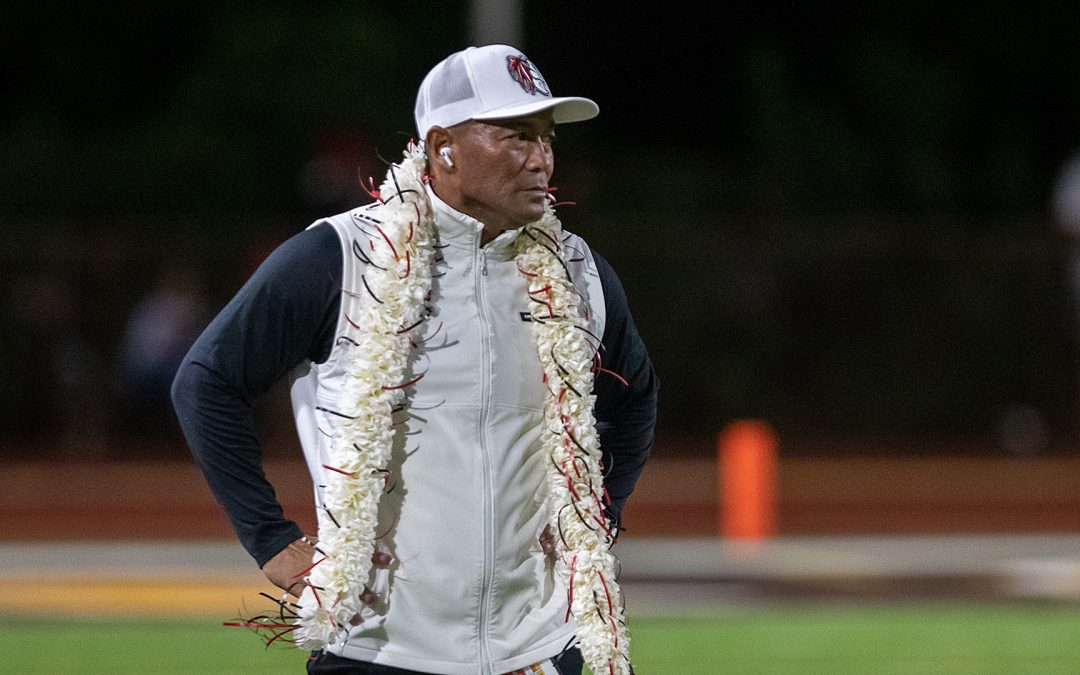
HONOLULU – Colder than a penguin’s tuxedo. The University of Hawai’i men’s basketball team sputtered in the second half of the 2026 OUTRIGGER Rainbow Classic finale against Portland on Monday night, making five of their final 34 shots from...

UH Athletics NIL Bill Fails Final Senate Vote
UH Athletics NIL Bill Fails Final Senate Vote
Updated May 13, 2026
Just one week after conference committee members described SB 3263 as a “win-win situation” for University of Hawai‘i student-athletes, the measure failed to pass final reading in the Hawai‘i State Senate on Friday in a dramatic reversal that effectively halts the latest effort to establish a state-supported NIL framework tied to UH Athletics.
SB 3263 SD2 HD3 CD1 — one of the most closely watched collegiate athletics bills of the 2026 legislative session — failed on final Senate reading by a vote of 11-12, with two senators excused.
SB3263 SD2 HD3 CD1 failed to pass on final reading in the Senate. Hawaii Athletics will not receive any type of financial assistance for NIL from the government this year. @HIsportsradio pic.twitter.com/3vs3dHkC8y
— Ku'ulei (@KuuleiAgbayani) May 9, 2026
The final Senate vote against the bill were Senators Donovan Dela Cruz, Donna Mercado Kim, Troy Hashimoto, Samantha DeCorte, Brandon Elefante, Kurt Fevella, Mike Gabbard, Lorraine Inouye, Michelle Kidani, Glenn Wakai, Rachele Lamosao, and Sharon Moriwaki. Senators McKelvey and San Buenaventura were excused.
The outcome marked a notable shift from the May 1 conference committee hearing, where Senate conferees advanced the compromise version of the bill unanimously among voting members.
At that hearing, Senator Donna Mercado Kim praised the agreement after weeks of negotiations between lawmakers.
“I’m just glad that we were able to support our student athletes. I think this is a win-win situation for everybody.”
'I'm just glad that we're able to support our student-athletes and I think this is a win-win situation for everybody.' - Sen Kim on 5/1/26 + Sen Hashimoto, Keohokalole, DeCorte vote Aye for SB3263
— Ku'ulei (@KuuleiAgbayani) May 9, 2026
5/8/26 Sen Kim, Hashimoto, DeCorte vote no and bill fails at final reading 🤨 https://t.co/oETpKubzXV pic.twitter.com/PNlu21BPYk
Conference committee records show Senators Mercado Kim, Hashimoto, and DeCorte all voted “Aye” in support of advancing the conference draft on May 1 before later voting against the bill at final reading on May 8.
Beyond its financial components, SB 3263 was also designed to establish Hawai‘i’s broader legal and operational NIL framework for University of Hawai‘i student-athletes.
According to the bill language, the measure would have formally affirmed the rights of student-athletes to participate in NIL activities while requiring UH to adopt policies governing institutional NIL agreements consistent with NCAA rules, federal law, and Title IX requirements. The bill also aimed to establish transparency standards, accountability measures, and educational protections for student-athletes entering NIL agreements.
The latest conference draft proposed a framework that included $2.5 million appropriated by the legislature along with a transfer of $4 million from University of Hawai‘i tuition and fees special fund to support NIL-related initiatives connected to UH Athletics. The measure represented a substantially revised version of earlier NIL legislation debated throughout the session, including negotiations surrounding endowment structures, oversight provisions, and funding mechanisms.
The sudden reversal came with limited floor discussion during final reading, though Senator Donovan Dela Cruz spoke in opposition before the vote and read portions of a letter he said came from the University of Hawai‘i Vice President for Budget and Finance following discussions between legislative finance and higher education leaders.

Donovan Dela Cruz speaks in opposition to SB 3263 during final Senate reading on May 8, 2026, reading portions of a letter from the University of Hawai‘i Vice President for Budget and Finance expressing concerns with the proposal.
During floor remarks, Dela Cruz read:
“We cannot proceed with the current proposal…”
He continued by reading the university’s concerns regarding “a state-funded endowment for name, image, and likeness” and said the university believed the proposal created legal and fiscal challenges it “cannot overcome.”
According to Dela Cruz, the letter also stated:
“We must respectfully request a deferral…”
The senator additionally noted on the floor that UH currently has “at least $411 million” within its tuition and fees special fund while arguing against the bill’s structure.
Update: UH Clarifies Position on SB 3263
Following publication, Hawai‘i Sports Radio Network received additional clarification from the University of Hawai‘i regarding SB 3263 and the concerns referenced on the Senate floor before the bill’s final vote.
According to UH, during the conference committee process the university shared concerns that the proposed endowment structure alone would not fully address the immediate need for NIL funding. Lawmakers then asked UH to formally outline those concerns in writing.
“The bill was ultimately amended to include $1.5 million for next year and UH supported the measure.
The university was surprised when an earlier version of UH’s concerns was read aloud before the Senate voted on and ultimately voted against the bill.”
UH emphasized that SB 3263 was not a university-introduced measure, noting that the bill originated in the Senate.
The university also noted that the House version of the state budget included the $5 million in NIL funding UH had requested, though that funding did not survive into the final budget draft.
UH added that while the legislative session has concluded, discussions regarding long-term athletics support are expected to continue moving forward.

Senate President Ron Kouchi announces the failure of SB 3263 during final Senate reading on May 8, 2026, after the UH Athletics NIL measure fell short of the votes needed for passage.
The failure of SB 3263 represents a significant setback for supporters who viewed the measure as a pathway for Hawai‘i to remain competitive in the rapidly evolving NIL era of college athletics.
Supporters had argued the bill would help UH Athletics address mounting financial pressures and recruiting realities as schools nationwide continue adapting to NIL and revenue-sharing changes, while also finally establishing a formal NIL structure and policy framework specific to Hawai‘i.
Instead, the measure now ends with one of the more unusual late-session reversals of the legislative year — a bill that successfully cleared conference committee only to lose enough Senate support days later to fail final passage.
Hawai‘i Sports Radio Network has requested a copy of the letter referenced by Senator Dela Cruz during floor debate and has also reached out to Senators Mercado Kim, Hashimoto, and DeCorte seeking comment regarding their change in vote between conference committee and final reading.

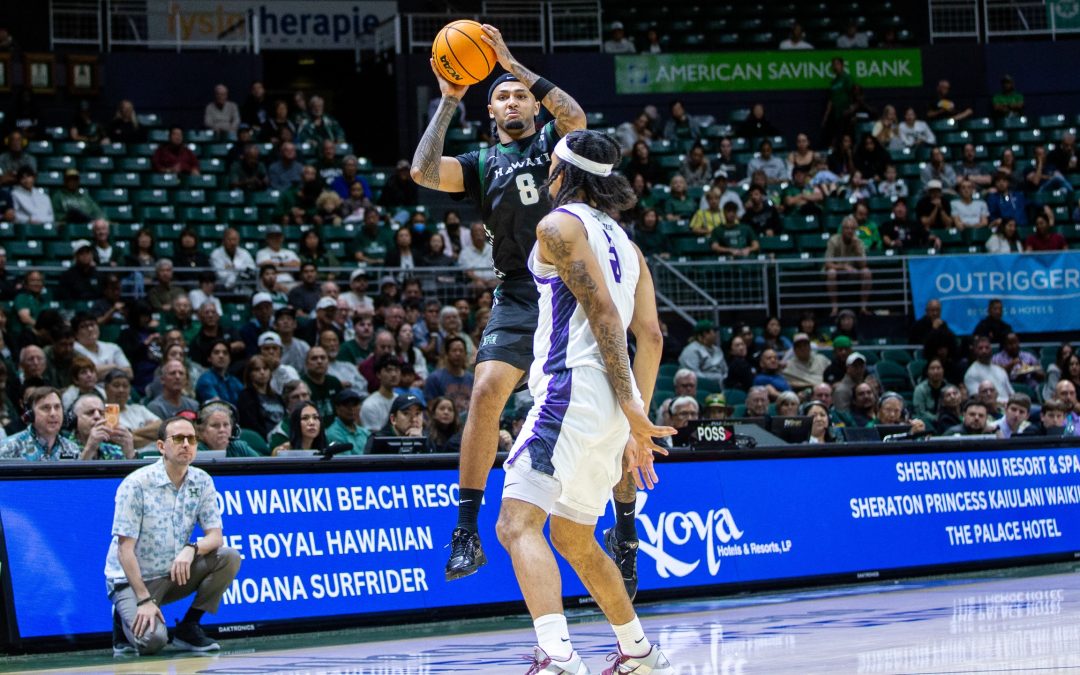
Frigid shooting sinks Hawai’i against Portland in OUTRIGGER Rainbow Classic finale
read more
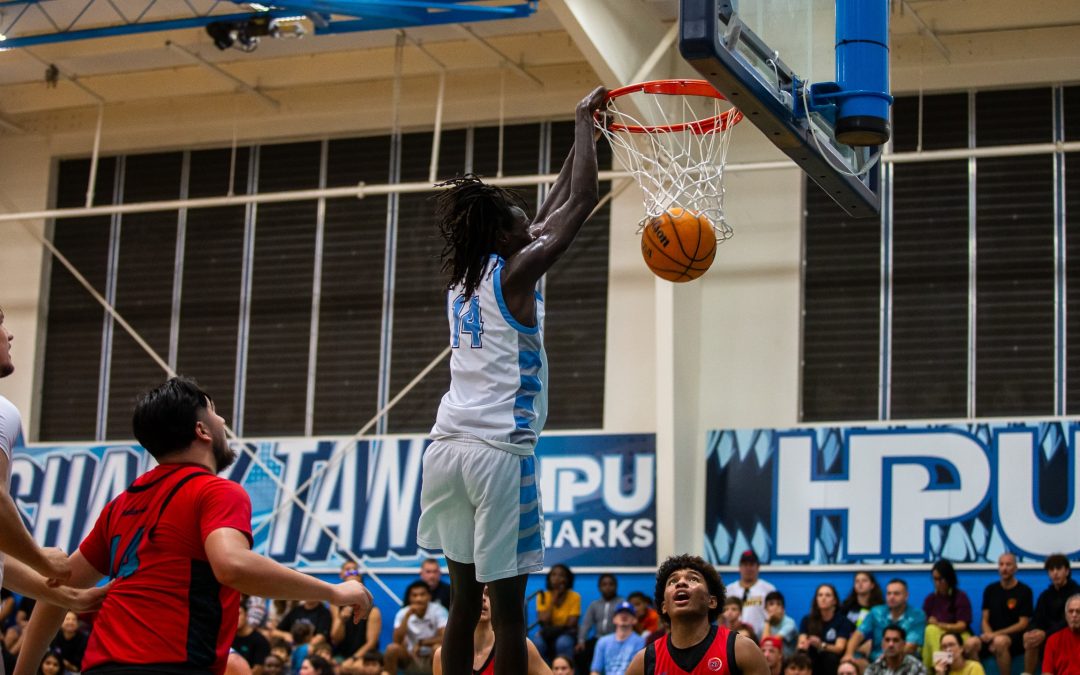
Hawaii Pacific hangs triple digits on Northwest Indian College in home opener
HONOLULU – Buckets by the bunch. For the first time in four seasons under head coach Jesse Nakanishi, the Hawaii Pacific University men’s basketball team eclipsed triple digits in the scoring department as the Sharks took down Northwest...
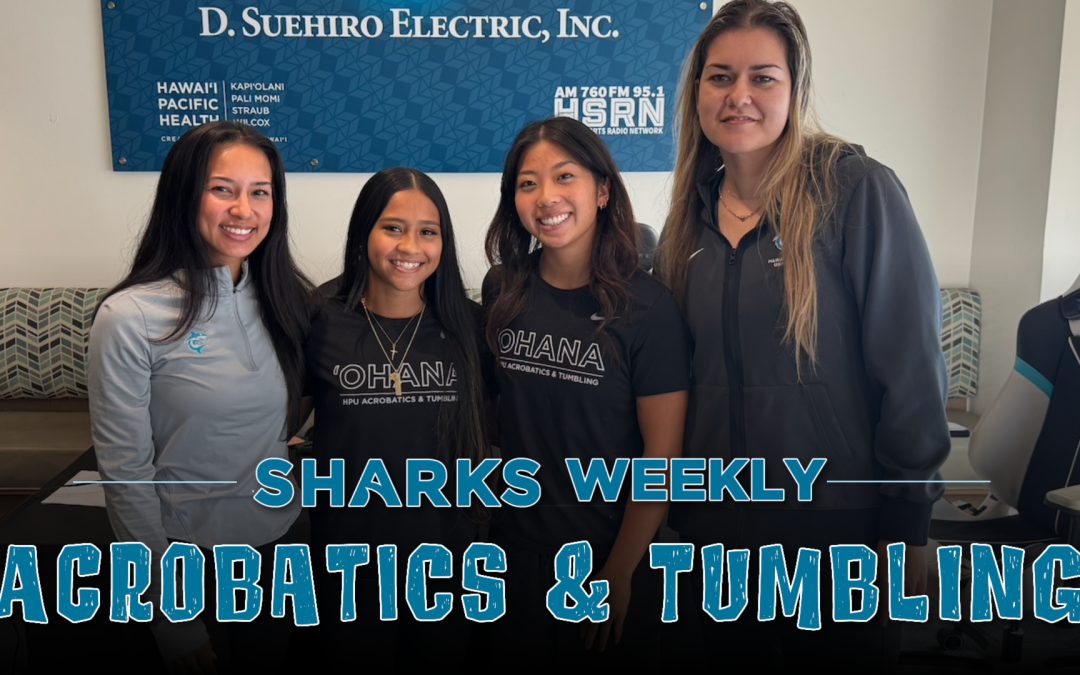
HPU Acrobatics & Tumbling Builds on Breakthrough Season Under Daisha Paulino
Hawai‘i Pacific University acrobatics and tumbling enters its third season under head coach Daisha Paulino with growing confidence and a stronger team culture following one of the program's most successful recent campaigns. Paulino joined Sharks...
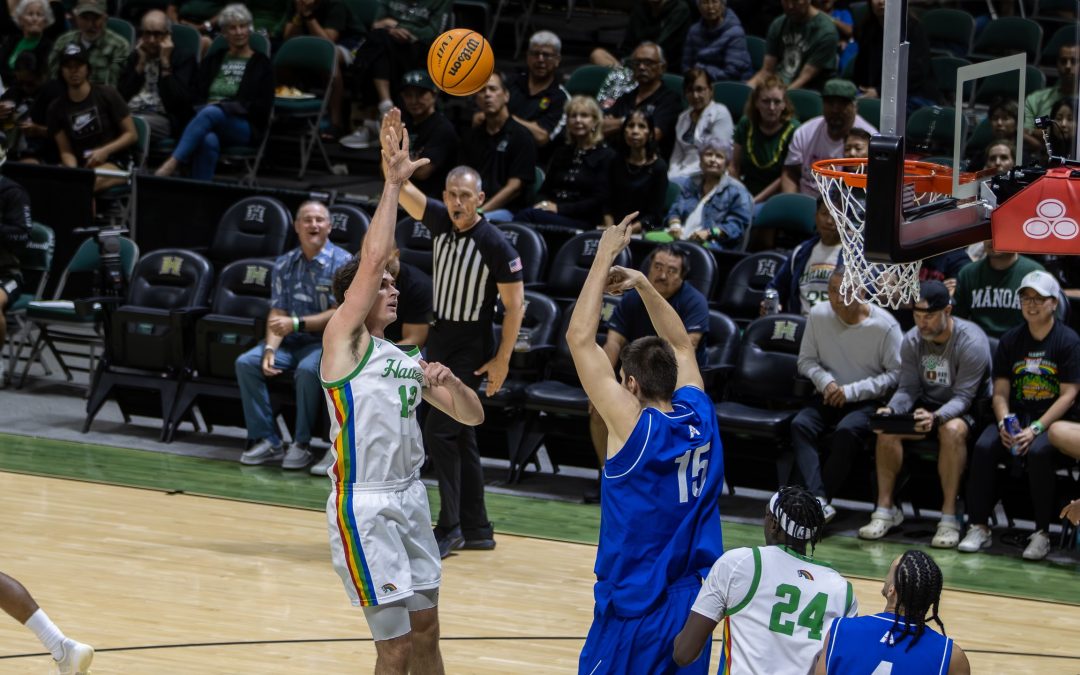
Davidson drops 21 to help Hawai’i handle UT-Arlington in OUTRIGGER Rainbow Classic
HONOLULU – Old school still works. Behind a rugged defensive effort and Zack Davidson’s 21-point outing, the University of Hawai’i men’s basketball team took down UT-Arlington on the second night of the 60th annual OUTRIGGER Rainbow Classic, 71-62....
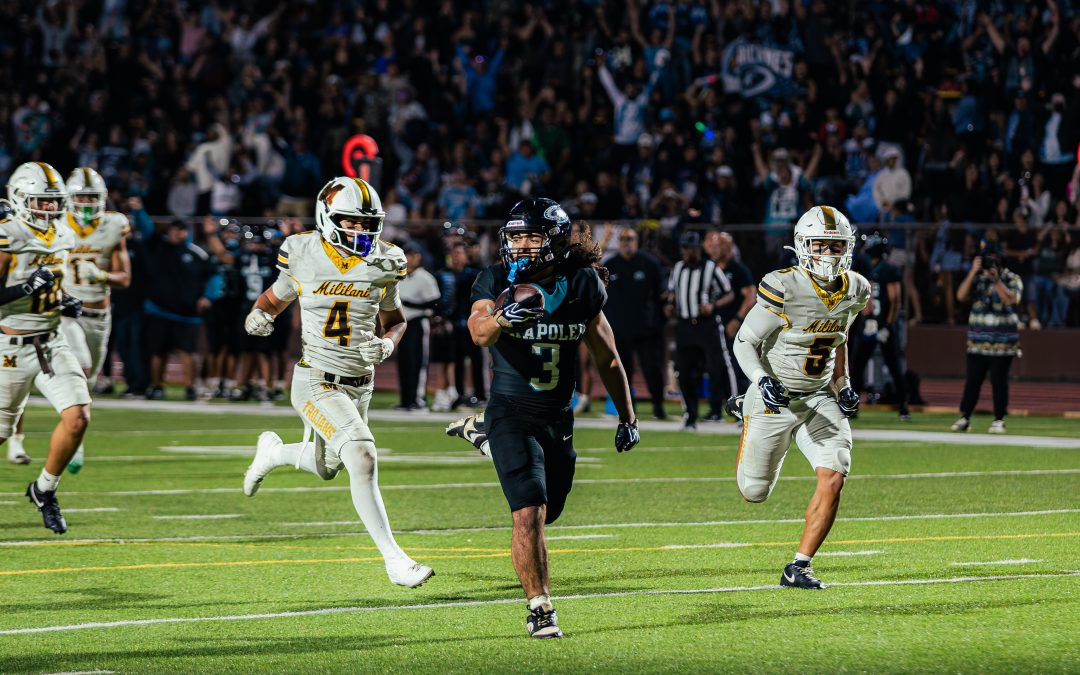
Kapolei hits Mililani with perfect storm to snatch OIA Open crown
MILILANI – The recipe for success never changed for the Kapolei Hurricanes. Suffocate opposing offenses with the best defense in the state and play smashmouth football offensively with the top running game in the entire Open Division. That...
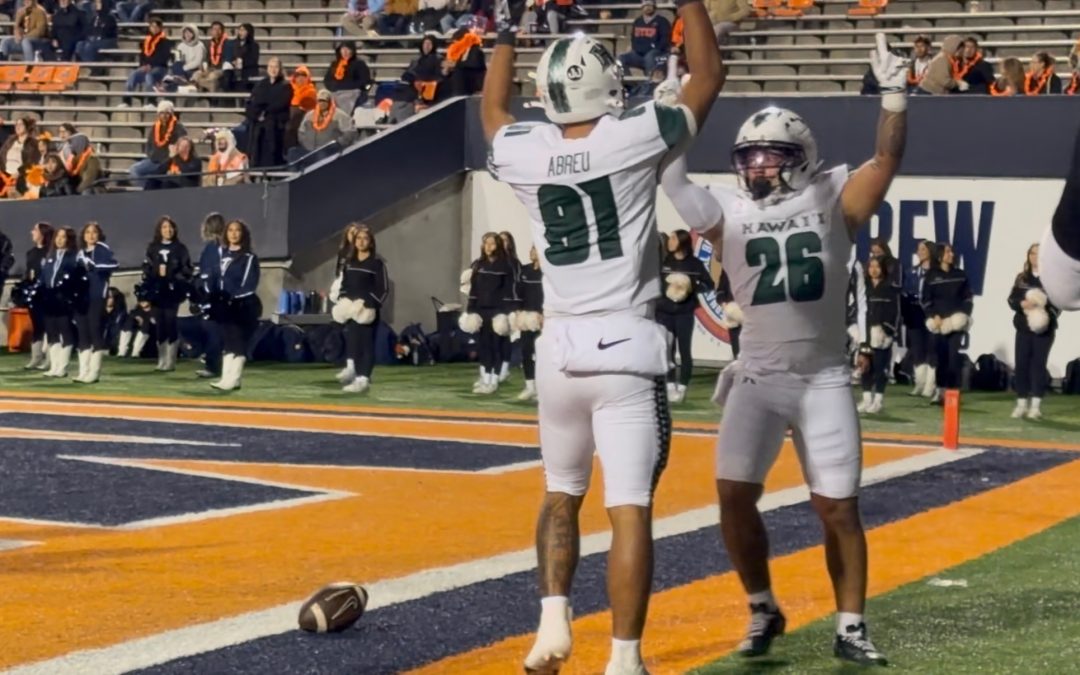
Lacaden’s career day at UTEP helps Hawai’i to second straight win
At Six Flags over Texas, there is a rollercoaster named “The Titan” that towers at 245 feet tall and holds a 5-out-of-5 rating on the Coaster Critic Thrill Scale. Despite standing at just 5-foot-6, Hawai’i wide receiver Titan Lacaden somehow...
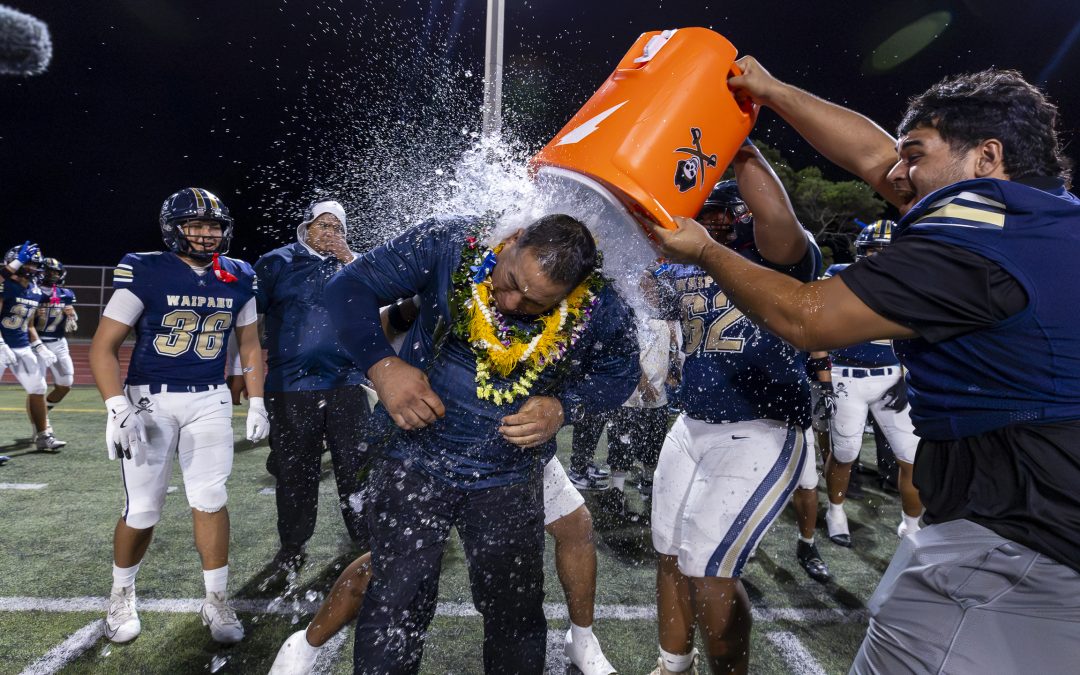
Waipahu smashes Aiea to roll to OIA Division I title
PEARL CITY – For the 15th time in program history, the Waipahu Marauders stand atop the OIA football ranks. Behind a four-touchdown showing from star sophomore quarterback Jake Garcia, the Waipahu varsity football team cruised to a dominant 42-7...
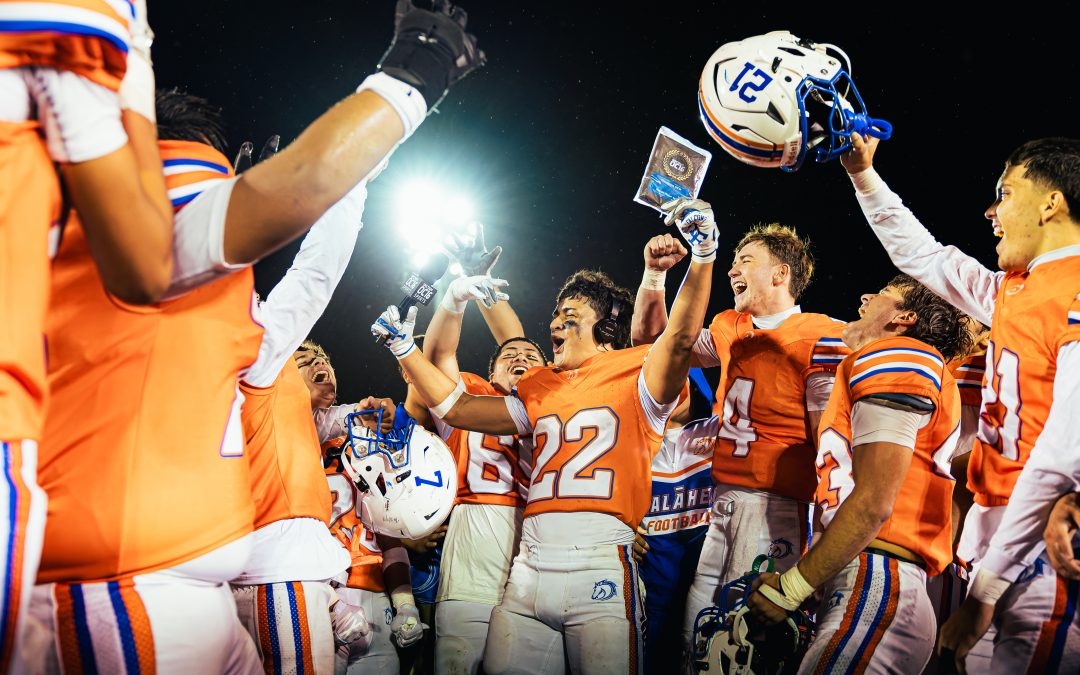
Massive second half from Mellor delivers Kalaheo to first-ever OIA crown
KALIHI – Leave it to the kid going into the Air Force to take a program to new heights. Behind senior tailback Marquez Mellor’s seventh game of the season with 100 or more rushing yards, the Kalaheo varsity football team claimed the first league...
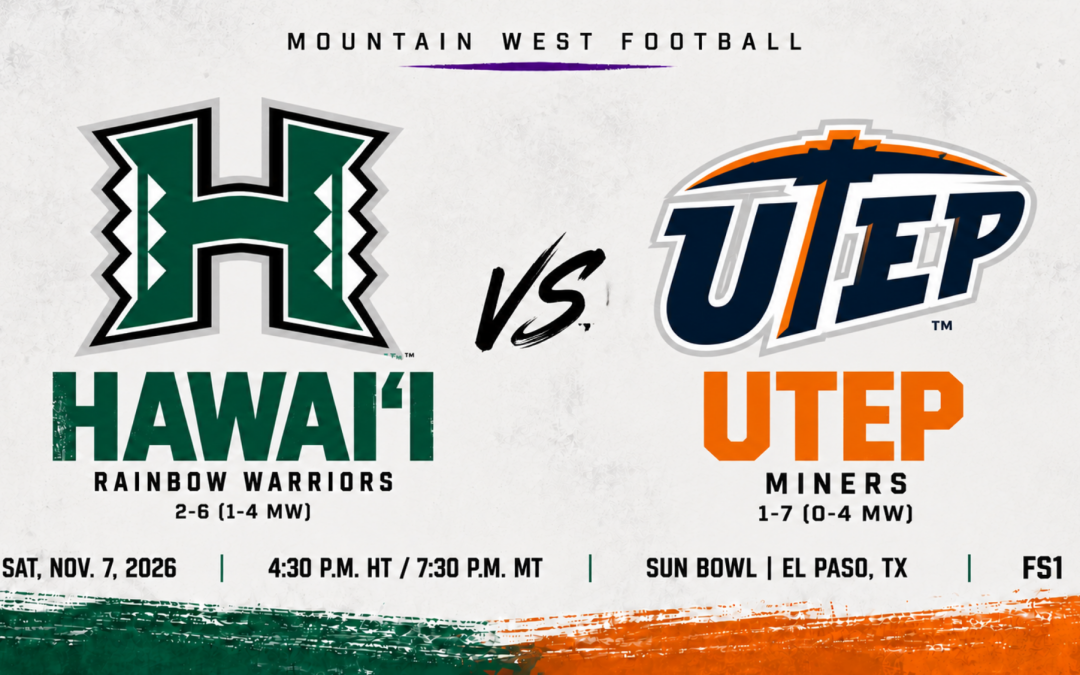
Hawai‘i Looks to Build Momentum Against UTEP Following Bye Week
Rainbow Warriors seek consecutive wins for the first time this season as former WAC rivals meet for the first time in 22 yearsComing off its most complete performance of the season and a much-needed bye week, Hawai‘i returns to action Saturday...
Punahou flies up to No. 7 in Lasquero’s High School Football Power Rankings
Michael Lasquero gives his Top 25 best teams in the state heading into the final weekend before the Hawai'i High School Football state tournament.1. Kapolei (8-1) Previous rank: 1 Last week: beat No. 4 Campbell, 30-0 This week: at No. 2 Mililani...